
Renovations Can Open the Door to Hidden Pest Problems
Renovating a home is an exciting opportunity to improve comfort, functionality and value. Whether the project involves updating a kitchen, extending living spaces or replacing plumbing and electrical systems, construction work often exposes parts of the property that have remained undisturbed for years. While most homeowners focus on design and workmanship, they may overlook one important risk: rodent activity.
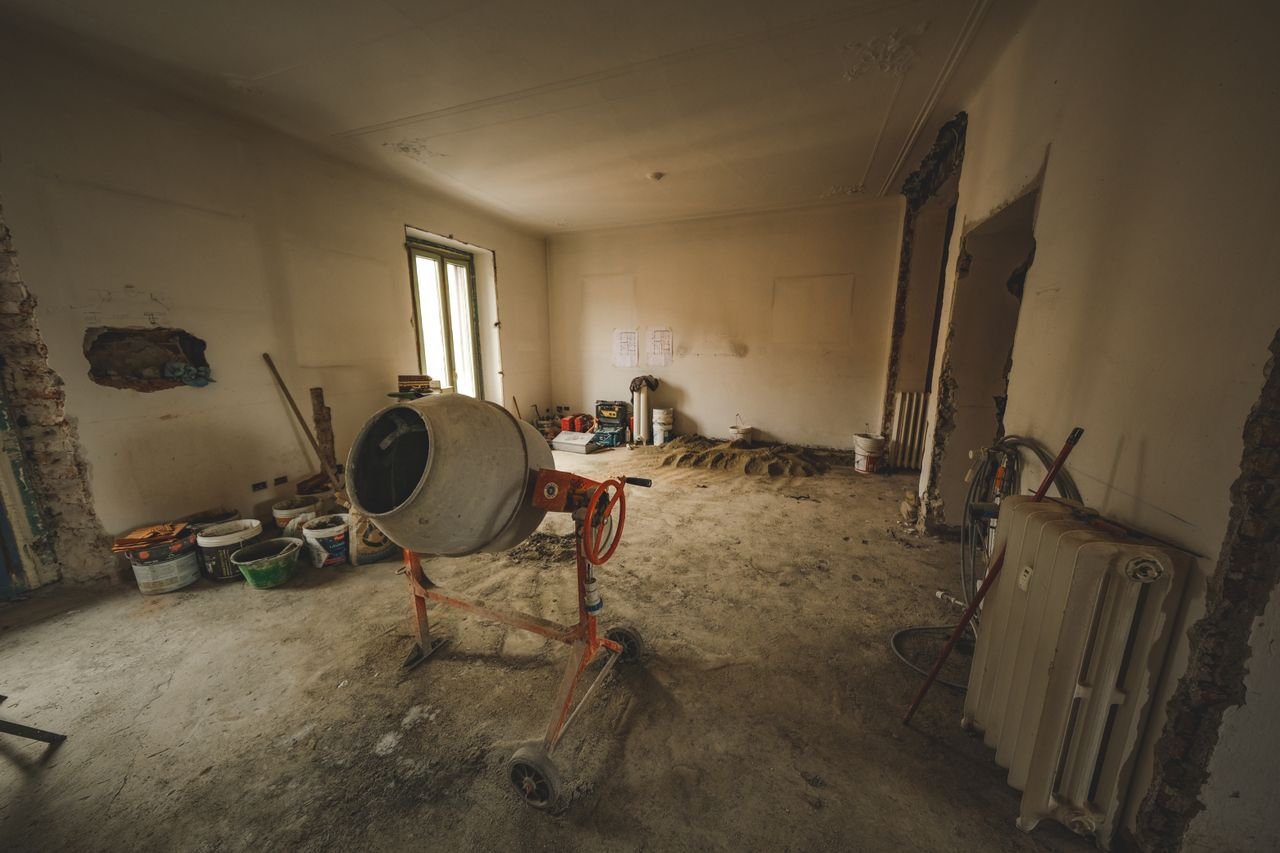
Construction and renovation work can unintentionally create ideal conditions for mice and rats to enter or move around a property. Open wall cavities, temporary gaps, building materials and increased access points may all make a home more attractive or accessible to rodents. If these risks are not addressed during the renovation process, a completed project may soon be followed by an unexpected pest problem.
How Renovations Increase the Risk of Rodent Activity
Renovation projects naturally disturb areas that are normally sealed off. Removing wall linings, lifting flooring, replacing cabinetry or rerouting plumbing often exposes hidden cavities that rodents may already be using or may be able to access.
Temporary openings around pipes, electrical wiring, ventilation systems and structural joins can provide convenient entry points for mice and rats. Even small gaps may be enough for rodents to squeeze through, as mice can enter openings as small as approximately six millimetres.
Construction work also means external doors and access points are frequently left open while tradespeople move materials in and out. This increased activity creates more opportunities for rodents to enter unnoticed, particularly during evening hours after work has finished.
Building debris can also contribute to the problem. Piles of timber, insulation, cardboard, packaging and unused materials provide temporary shelter where rodents may hide before moving further into the property.
In some situations, renovation work disturbs existing nests hidden inside walls, ceilings or subfloors. Rather than eliminating the rodents, the disturbance may cause them to relocate to other parts of the home where they continue searching for food and shelter.
Recognising Signs of Rodent Activity During or After Renovations
Rodent activity is not always immediately obvious, especially when construction noise masks the sounds they make. However, there are several warning signs homeowners should monitor during and after renovation work.
Fresh droppings around cupboards, pantries or newly installed cabinetry may indicate active movement through the property. Scratching or scurrying noises inside walls or ceiling spaces may become more noticeable once construction is complete and the home returns to normal.
Gnaw marks on timber, packaging, insulation or newly installed materials are another common indicator. Rodents constantly chew to manage the growth of their teeth, and renovation materials can become easy targets.
Unusual musty or ammonia-like odours may also develop when rodents establish nesting areas inside concealed spaces. These smells can become stronger over time as droppings and urine accumulate in wall cavities or roof spaces.
Why Prevention Matters Before Construction Is Finished
Preventing rodents from entering during renovation is generally far easier than removing an established infestation afterwards. Once walls are closed, flooring is installed and cabinetry is fitted, locating hidden harbourage areas becomes much more difficult.
Sealing entry points before construction is completed is one of the most effective preventative measures. Gaps around plumbing, electrical services, vents, foundations, roof spaces and external wall penetrations should be inspected carefully and sealed using suitable rodent-resistant materials.
Scheduling pest control glebe inspections before work begins can also help identify existing rodent activity that might otherwise remain hidden behind walls or beneath flooring. A follow-up inspection after construction can help confirm that no new entry points or harbourage areas have been created during the renovation process.
Early prevention protects both the investment in the renovation and the long-term condition of the property.
Professional Inspection and Rodent Exclusion
When renovation work exposes structural cavities or signs of rodent activity become apparent, a professional inspection can help determine the extent of the problem before construction is completed.
An inspection typically focuses on identifying active nesting areas, entry points, travel routes and environmental conditions that support rodent activity. If rodents are present, suitable treatment can be carried out before newly renovated areas are permanently sealed.
Exclusion measures are equally important. Closing structural gaps, securing service penetrations, repairing damaged building materials and improving proofing around vulnerable areas can help reduce the likelihood of rodents returning once the renovation is finished.
Structural exclusion is one of the most effective long-term methods of reducing reinfestation because treatment alone cannot prevent rodents from re-entering through unsealed openings.
Addressing these issues during construction is often more practical than reopening completed walls or cabinetry later to investigate a hidden infestation.
Include Pest Control Glebe in Your Renovation Plans
A successful renovation improves the appearance and functionality of a home, but it should also protect the property from future problems. Rodents can take advantage of even temporary structural changes, making renovation periods an important time to consider pest prevention.
Including pest control glebe as part of the renovation planning process allows potential risks to be identified before they become costly problems. Pre-renovation inspections, treatment where necessary and careful exclusion work after construction can provide valuable protection against future infestations.
By addressing rodent risks before walls are closed and finishing work is completed, homeowners can enjoy their renovated space with greater confidence that hidden pest problems have also been considered.
FAQs
Can renovations really attract rodents?
Renovations do not necessarily attract rodents directly, but they can create temporary entry points, expose wall cavities and disturb existing nesting areas, increasing the likelihood of rodent activity.
Why do rodents appear during renovation work?
Construction activities may expose hidden harbourage areas, leave doors open more frequently, create gaps around services and provide temporary shelter through building materials and debris.
What are the most common signs of rodents after a renovation?
Droppings, scratching noises, gnaw marks, nesting materials and unusual musty or ammonia-like odours are common indicators of rodent activity.
Should rodent inspections be carried out before renovations?
Yes. Identifying existing activity before construction begins can help prevent rodents from becoming trapped inside newly renovated spaces or spreading to other areas of the property.
Can sealing gaps really prevent rodents?
Yes. Properly sealing structural openings around pipes, vents, walls and foundations is one of the most effective long-term methods of reducing rodent entry.
Is pest control necessary after renovation work is complete?
A post-renovation inspection can help confirm that construction has not created new entry points and that the property remains protected against future rodent infestations.
