
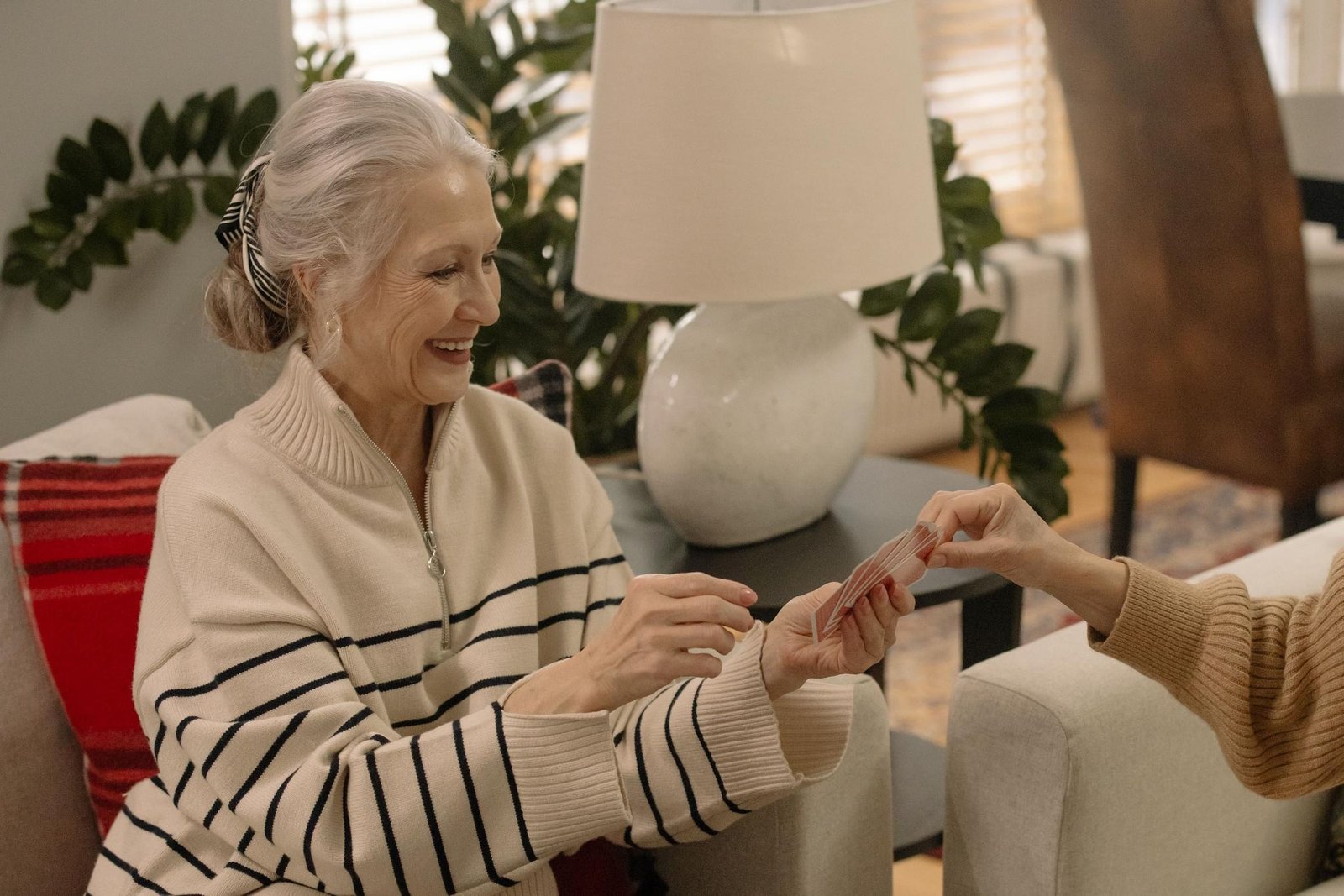
As people grow older, everyday tasks that once seemed simple can gradually become more challenging. Changes in mobility, vision, hearing, memory, and energy levels can affect how older adults navigate their daily routines. While these changes are a natural part of aging, they do not have to limit independence or reduce quality of life. With thoughtful planning and supportive strategies, many seniors can continue enjoying active, fulfilling lifestyles.
Families and caregivers often look for practical ways to help older adults maintain comfort, confidence, and self-sufficiency. Small adjustments to daily habits and living environments can make a significant difference while reducing frustration and minimizing safety risks. Understanding these practical approaches can help older adults remain engaged in the activities they enjoy while preserving their sense of autonomy.
Simplifying Daily Routines
Consistent routines help make everyday life more manageable and less stressful. Establishing regular schedules for meals, medications, exercise, and sleep can create a sense of structure that supports both physical and mental well-being. Predictable routines reduce confusion and help individuals stay organized throughout the day.
Simple organizational tools can also help improve efficiency. Calendars, reminder notes, labeled storage containers, and medication organizers make it easier to keep track of important tasks and appointments. When daily routines are easy to follow, older adults often feel more confident managing their responsibilities independently.
Using Technology to Support Independence
Modern technology offers many tools that can simplify everyday living for seniors. Smartphones, tablets, and voice-activated assistants can help older adults stay connected with family members, access information, and manage important tasks. Features such as medication reminders, calendar alerts, and video calling applications provide both convenience and peace of mind.
Technology can also enhance safety. Medical alert systems, smart home devices, and wearable health trackers allow older adults to receive assistance quickly if needed. While some seniors may initially feel hesitant about using technology, many discover that these tools become valuable resources once they are familiar with them.
Prioritizing Physical Activity
Maintaining physical activity is an important part of making daily life easier. Regular movement supports strength, flexibility, coordination, and balance, all of which contribute to greater independence. Activities such as walking, stretching, swimming, and low-impact exercise classes can help older adults remain mobile and reduce the risk of injury.
Exercise also benefits mental health by improving mood and reducing stress. Seniors who stay active often have more energy for daily responsibilities and recreational activities. The key is finding activities that are enjoyable and appropriate for each individual’s fitness level and health needs.
Reducing Physical Demands Through Supportive Services
There may come a time when certain household tasks become more physically demanding than they once were. Seeking assistance with cleaning, maintenance, transportation, or meal preparation can help older adults conserve energy for activities they enjoy most. Accepting support does not mean giving up independence. In many cases, it actually helps preserve it.
Communities that offer supportive services can provide additional convenience and peace of mind. For example, assisted living in Frederick, MD may offer access to assistance with daily activities while still encouraging residents to maintain active and independent lifestyles. These services can reduce stress and make everyday living more comfortable for both seniors and their families.
Supporting Cognitive Wellness
Mental sharpness contributes significantly to managing daily life with confidence. Engaging in activities that challenge the brain can help support cognitive function and create opportunities for lifelong learning. Reading, puzzles, games, educational courses, and creative hobbies all provide valuable mental stimulation.
In addition to individual activities, social engagement can strengthen cognitive health. Conversations, group activities, and community involvement encourage active thinking and problem-solving. By keeping the mind engaged, older adults can continue enjoying a greater sense of independence and accomplishment.
Managing Stress and Maintaining a Positive Outlook
Everyday life becomes easier when emotional well-being is prioritized. Stress, anxiety, and worry can affect energy levels and make daily tasks feel more difficult. Older adults benefit from developing healthy coping strategies that support emotional balance and resilience.
Activities such as spending time outdoors, practicing relaxation techniques, participating in hobbies, and maintaining social connections can help reduce stress. Focusing on personal strengths and celebrating small accomplishments also promotes confidence and a positive outlook. Emotional wellness helps individuals approach daily challenges with greater ease and optimism.
Conclusion
Making everyday life easier for older adults often involves a combination of small adjustments rather than dramatic changes. Creating safer living environments, simplifying routines, staying physically active, maintaining social connections, and utilizing supportive technologies can all contribute to greater independence and comfort. These practical strategies help seniors continue participating in the activities that bring meaning and enjoyment to their lives.
As individuals age, maintaining quality of life remains an important goal. By addressing challenges proactively and focusing on overall well-being, older adults can enjoy fulfilling, active lifestyles while preserving their dignity and independence. Even simple changes can have a lasting positive impact on daily life and long-term happiness.
