
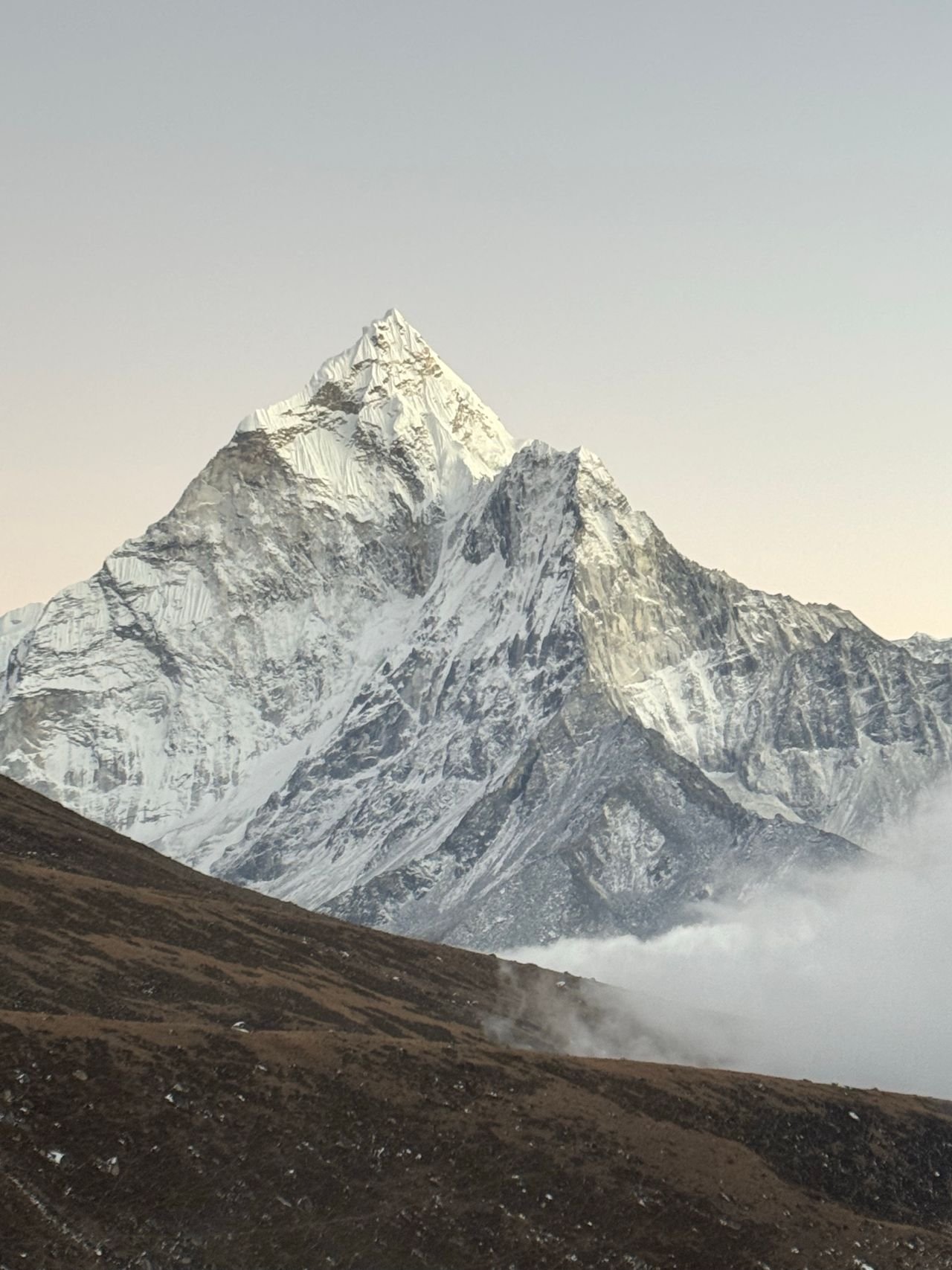
The Everest Base Camp Trek is really an adventure at high altitude in the heart of the splendid Himalayas. However, near Everest Base Camp, you would need to trek high, and altitude sickness could be a real issue. The main thing to fear when trekking is altitude sickness since the absence of oxygen at higher altitudes will force the body to acclimatize.
While the knowledge of altitude sickness signs, prevention, and treatment helps trekkers to prepare thoroughly for a safer trek. With a decent acclimatization plan and an awareness of the warning signs to look out for, this impressive Himalayan trek can be undertaken safely by most travelers.
Why Altitude Sickness Happens on the Everest Base. Thisamp Trek
As the human body does not acclimatize with less oxygen at higher altitudes, it leads to altitude sickness. The Everest Base Camp Trek is a relatively slow, gradual ascent, packing on the miles from Lukla at approx. 2860 meters to Everest Base Camp at approx. 5364 meters. Higher elevations mean thinner air. This means every footstep you take up into the atmosphere has less oxygen with every breath than down low. The rapid ascent to height is not only a problem for us old, fat, untrained, unsuitable individuals who have never been in trekking activity. Yet no fit traveler is immune to altitude sickness if they have not been conditioned or allowed enough time for the body to ascend.
Common Symptoms of Altitude Sickness
It is essential to have knowledge about early symptoms of altitude sickness because this province of the Everest region gets highly affected by high-mountain illnesses; otherwise, trekking can become harmful if not taken care of properly.
Mild symptoms often include:
- Headaches
- Dizziness
- Tiredness
- Loss of appetite
- Nausea
- Difficulty sleeping
Other signs might be getting short of breath with common activities or unusual fatigue when walking.
If these symptoms do appear, the body cannot be ignored because they show that altitude adaptation is not very good. Symptoms usually improve with quiet rest, proper hydration, and time to acclimatize! However, if your signs are deteriorating, get assistance right away, as severe altitude-linked matters can become fatal.
Different Levels of Altitude Illness
Mild cases of altitude sickness can make you sick, but serious issues requiring medical attention are also possible.
Acute Mountain Sickness (AMS), the most common type and occurring when a person travels to a high altitude, shows up as headaches plus other symptoms.
More serious conditions include the following:
- Pulmonary edema in high altitudes
- Ascent-Related Issue Brain:
- HACE: High Altitude Cerebral Edema
The former happens more often, while the latter is rare but requires an immediate drop and treatment. This phenomenon necessitates trekkers (and climbers) backing off while the body still appears to be able to move comfortably upwards in order not to reach a serious state whereby additional elevation becomes more hazardous. And being able to call it a night, or even retreat down—that is part of responsible Himalayan high-altitude trekking.
The Importance of Proper Acclimatization
Ground Time: Acclimatization—By far the best and most effective way to minimize your risk of getting altitude sickness during the Everest Base Camp trek. Oxygen availability plateaus rather than continues to diminish at higher elevations, but this process still gradually acclimatizes the body to ever lower levels of O₂.
This is when you can hike short distances around acclimatizing, but the best itineraries build in a rest day every so often, e.g., at Namche Bazaar and also at Dingboche. You maximize your chances of having a good hike by going slow and maximizing the altitude gained slowly over time. Acclimatization is also how trekkers conserve energy while taking in the breathtaking view of the Khumbu region.
Walking Pace and Rest Strategies
Walk quicker. For some reason, lots of novice trekkers seem to assume that strolling at a pace is going to resolve things sooner. Of course, patience is the name of this game as well, so the slower we are, the better. You??? Don’t get in a hurry. Regardless of your level of fitness, the Everest Base Camp Trek is not a race, and allowing time for rest occurs naturally by giving your body the time to adapt.
Not tired after the effort, with breath control between short breaths. You are an expert at energy management because, by definition, the terrain and altitude and conditions of the mountains are changing around you, so go slow, especially uphill—this mantra is parroted by experienced guides when really they should know better.
Medications and Medical Preparation
The trekkers also often request a doctor for some preventive medication (for example, acetazolamide) before setting out to travel at high altitudes. This could help some people in acclimating more, but it would only be used on the advice of an expert. However, if you are trekking to Everest Base Camp from Lukla, there is a large chance that a private first-aid kit should be taken when trekking for some basic medications and all necessary health supplies.
It is pertinent that both the trekkers and the tour guide acknowledge any health problems, as well as being conscious of their mental/physical state throughout the trek. The confidence of knowing you have a little medical preparation that measures up to everything out there can help clarify things during those unexpected journeys that may occur on your trek.
Altitude sickness remedy
If mild altitude illness symptoms occur, the traditional response is to stop climbing and allow the body to acclimatize. At this stage rest, hydration, and monitoring of symptoms were taken care of. In case of improvement in symptoms, trekkers may continue to trek but only at a slow pace.
However, if the signs progress to include confusion, perceiving things clearly beyond what you can accept as a miracle, or being unable to manage normal breathing or coordination of limbs, an emergency descent will be in order. The most beneficial The remedy for major altitude problems is to move lower. This is highly important as they know the mountain environment and can be vitally useful in making decisions related to safety.
Preparation for Altitude Pre-trek
The blessings of preparing before starting up the Everest Base Camp Trek: trekking, aerobics, and electrical work improve our bodies for lengthy days on our feet. If trekkers study feasible signs and symptoms of altitude illness before making the journey, they can be more alert for early symptoms and respond for that reason.
Going for an awesome and acclimatization-friendly itinerary is also very vital. With a well-packed bag full of hiking components, realistic expectations, and complete data on the perils of altitude sickness/pulmonary edema, travelers might be set on their way to make certain they have got a terrific start at getting serious.
Altitude safety at Everest Base Camp is possible.
Amongst them is altitude sickness even when trekking to Everest Base Camp, but this retrievable challenge can without difficulty be controlled through right practice, ascent, and hiking strategies. By knowing the commonplace signs and symptoms to watch out for, consuming masses of fluids, hiking at a relaxed and measured tempo, and listening to your body, you will be capable of safely navigating your way during any trek.
The majestic mountain perspectives and Sherpa culture cause one of the remaining travel reviews that watch for you at Everest Base Camp, the bottom of the sector’s maximum peak! It is feasible to trek this famed journey, given coaching in altitude and training.
