
A decade ago, the average office setup looked remarkably similar everywhere. Employees sat at assigned desks, worked on desktop computers, and rarely changed locations during the workday. Most technology remained fixed in one place, and mobility was not a major concern. Fast forward to 2026, and the workplace has undergone a dramatic transformation. Today, professionals work from home offices, shared workspaces, airports, coffee shops, client locations, and traditional corporate environments. Laptops have become the primary work device for millions of people because they support this new level of flexibility.
However, mobility comes with its own challenges. While laptops make it easy to work from anywhere, they often create limitations when users need the functionality of a complete workstation. This is one reason the laptop docking station has become an increasingly valuable tool for modern professionals.
The Evolution of Professional Workspaces
Technology has always adapted to the needs of workers. As businesses embraced remote and hybrid work models, employees needed solutions that could bridge the gap between portability and productivity. A laptop is excellent for mobility, but many professionals still rely on additional equipment such as:
- External monitors
- Keyboards
- Mice
- Webcams
- Storage devices
- Ethernet connections
- Audio equipment
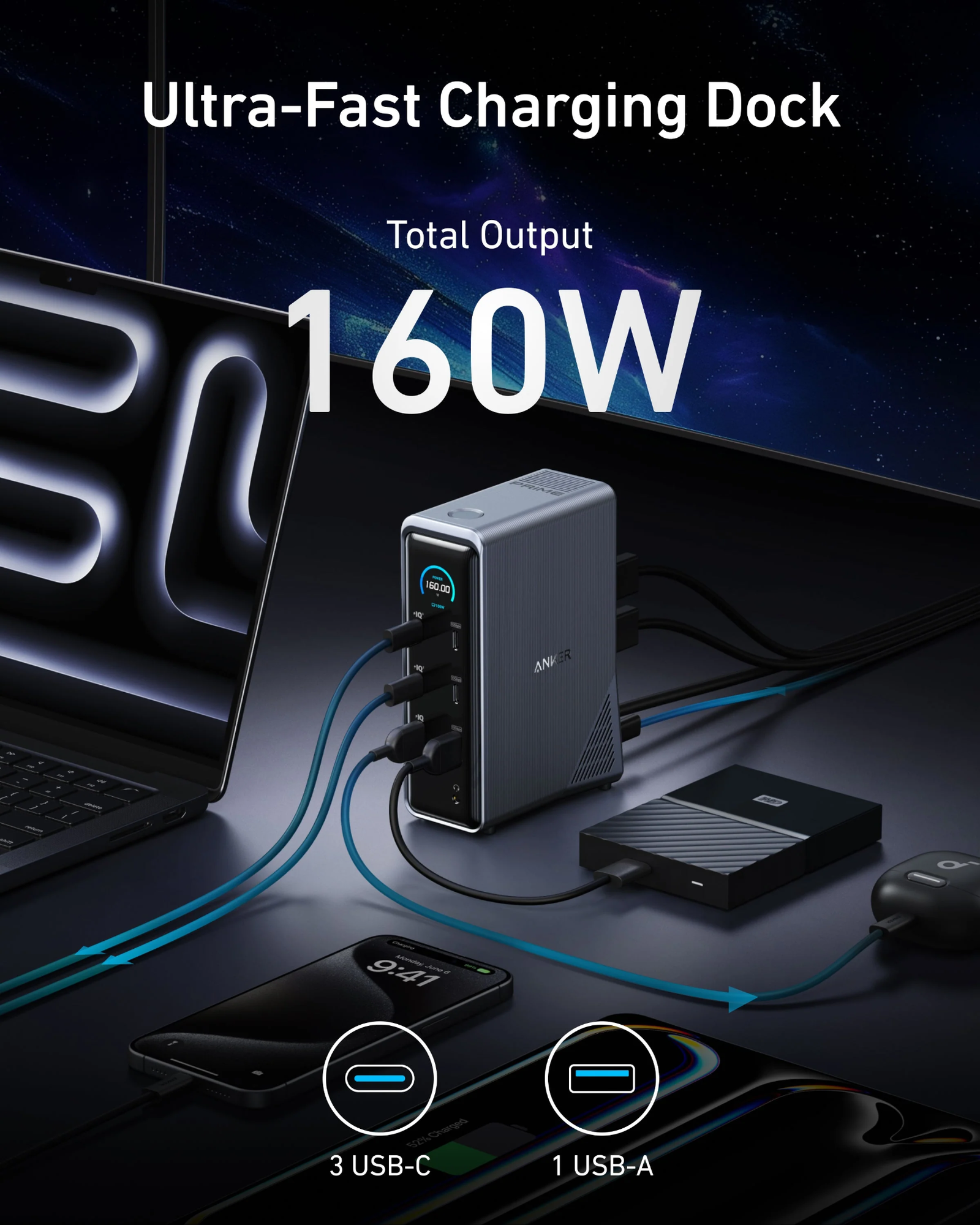
Managing all these connections individually can become inconvenient. The laptop docking station emerged as a practical answer to this challenge by creating a centralized hub for workplace connectivity. Instead of connecting multiple accessories separately, users can access their workstation through a simplified setup process.
Why Flexibility Has Become a Competitive Advantage
The ability to work efficiently from different locations is no longer viewed as a luxury. For many professionals, flexibility has become a fundamental part of career success. Teams collaborate across cities, countries, and time zones. Employees frequently switch between home and office environments. In this landscape, technology must support seamless transitions.
A workspace that requires lengthy setup procedures can reduce efficiency and create unnecessary frustration. Docking solutions help eliminate these obstacles by making it easier to move between different working environments without sacrificing productivity. The goal is not simply convenience, it is continuity.
Productivity Is Often Built Through Small Improvements
When people think about productivity, they often focus on major factors such as software, hardware, or organizational strategies. Yet some of the most meaningful improvements come from eliminating small daily inefficiencies. Repeatedly connecting accessories, managing cables, and troubleshooting workspace configurations may seem minor. However, these interruptions accumulate over time.
A laptop docking station helps streamline everyday workflows by reducing repetitive setup tasks. This allows professionals to focus more attention on their responsibilities and less on managing technology. Over weeks and months, these small improvements can contribute to a more efficient work experience.
Mobility Requires Reliable Power
Connectivity is only part of the modern workplace equation. As professionals become more mobile, maintaining access to power has become equally important. Meetings, travel schedules, remote work sessions, and long commutes can all place heavy demands on device batteries. As a result, many professionals now view portable charging solutions as essential workplace accessories.
This growing demand has increased the popularity of the power bank portable charger category. Portable charging solutions provide users with additional flexibility by helping ensure that devices remain operational even when traditional power outlets are unavailable. For mobile professionals, reliable power can be just as valuable as reliable connectivity.
The Rise of the Mobile Professional
The definition of a workplace continues to evolve. Many professionals begin their day at home, attend meetings elsewhere, and finish tasks while traveling. This mobility creates unique technology requirements that did not exist in traditional office environments. To remain productive, users often need two things:
- Efficient workstation connectivity.
- Reliable mobile power.
A laptop docking station supports productivity when users are at a desk, while a power bank portable charger helps maintain productivity when users are away from one. Together, these tools support the increasingly flexible nature of modern work.
What Modern Professionals Expect from Technology Accessories
Expectations for workplace accessories continue to rise. Professionals today look for products that offer:
Simplicity
Technology should reduce complexity rather than create it.
Reliability
Consistent performance is essential for daily work.
Portability
Accessories should support mobility without adding unnecessary bulk.
Compatibility
Users prefer solutions that work across multiple devices and environments.
Durability
Workplace equipment must withstand frequent use over extended periods. These expectations influence purchasing decisions across nearly every category of professional technology.
Why Brand Reputation Matters
Technology accessories often support expensive and business-critical devices. Because of this, many professionals prioritize quality when selecting workplace equipment. Trusted manufacturers typically inspire greater confidence because of their track record for reliability and customer satisfaction. Anker is one example of a brand that has earned recognition for creating technology accessories designed to support modern workflows. Products that balance performance, convenience, and durability often appeal to professionals seeking dependable long-term solutions. In a world where productivity depends heavily on technology, reliability matters.
Looking Ahead
The future workplace will likely become even more flexible than it is today. Organizations will continue exploring hybrid work models, while professionals increasingly expect seamless transitions between locations. Technology accessories that support mobility, productivity, and convenience will therefore remain highly relevant. Solutions such as the laptop docking station and the power bank portable charger reflect this broader shift toward adaptable work environments. As work continues evolving, tools that help users stay connected and powered will remain important components of professional success.

Final Thoughts
The way people work has changed dramatically, and workplace technology has evolved alongside it. A laptop docking station helps bridge the gap between portability and productivity by creating a more efficient workstation experience. Meanwhile, a power bank portable charger supports professionals who need reliable power while working away from traditional office environments. Together, these tools reflect the growing importance of flexibility in today’s professional world. Brands like Anker continue to contribute to this evolution by developing accessories designed to meet the demands of modern work and mobility.
FAQs
What is a laptop docking station used for?
A laptop docking station allows users to connect multiple peripherals and accessories through a centralized hub, creating a more efficient workstation setup.
Who benefits most from using a docking station?
Remote workers, hybrid employees, business professionals, and anyone who regularly uses multiple devices can benefit from a docking station.
What is a power bank portable charger?
A power bank portable charger is a portable battery device that provides power to smartphones, tablets, and other electronics when electrical outlets are unavailable.
Why are portable charging solutions important for professionals?
Portable charging solutions help ensure that devices remain operational during travel, meetings, and remote work sessions.
Why do many professionals choose Anker accessories?
Many users appreciate Anker products because they are known for reliability, practicality, and support for modern productivity needs.
