
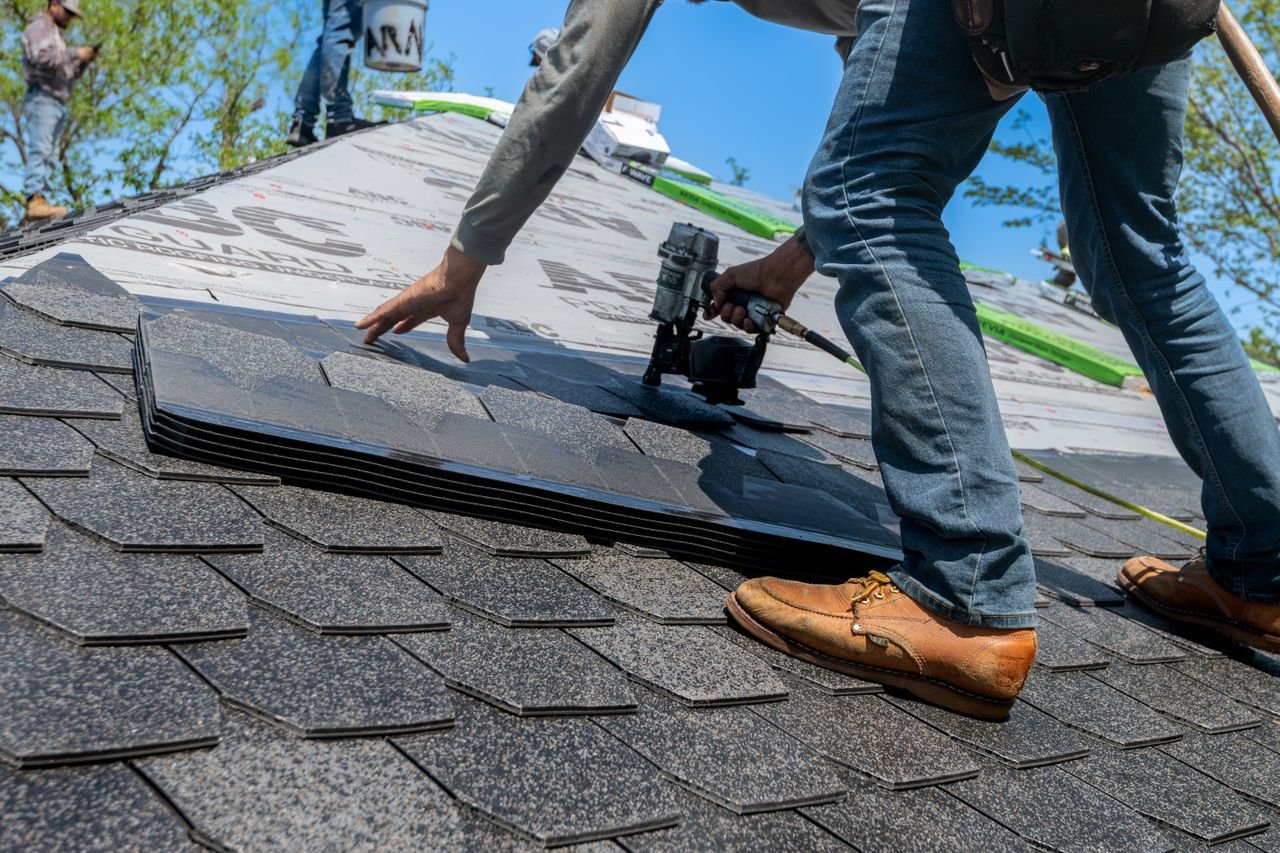
The Hidden Cost of Constant Roof Repairs
An ageing roof can gradually become one of the most expensive parts of a home to maintain. What starts as a small leak or a few damaged tiles often develops into a cycle of ongoing repairs, regular inspections and unexpected maintenance bills. Homeowners may replace cracked tiles one season, repair flashing the next and then deal with water damage or blocked gutters soon after. Although each repair may seem manageable on its own, the cumulative cost over several years can become significant.
Older roofing systems are more vulnerable to weather-related wear, moisture penetration and material deterioration. As roofing materials reach the end of their service life, repairs often become less effective because new issues continue to emerge in different areas. In these situations, replacing the roof may offer greater long-term value than continuing to fund recurring maintenance.
How a New Roof Saves Money
Installing a new roof can substantially reduce ongoing maintenance requirements by addressing the underlying causes of recurring problems rather than simply treating individual symptoms. Modern roofing systems are designed with improved materials, better weather resistance and more durable installation methods that help minimise common issues such as leaks, loose roofing components and moisture damage.
One of the biggest savings comes from reducing water intrusion. Leaks not only require roof repairs but can also damage insulation, ceilings, timber framing and interior finishes. Preventing these problems helps homeowners avoid costly secondary repairs that may exceed the price of the initial roof maintenance.
After Sydney Reroofing, homeowners may experience fewer emergency call-outs, less frequent repairs and greater confidence that the roof can withstand changing weather conditions. A newer roofing system also reduces the likelihood of hidden deterioration developing beneath ageing roofing materials, helping lower maintenance expenses over the long term.
Long-Term Benefits Beyond Maintenance
The benefits of a new roof extend well beyond fewer repair bills. Modern roofing systems provide improved protection against heavy rain, wind and temperature fluctuations, reducing the risk of structural damage caused by prolonged moisture exposure.
A properly installed roof can also contribute to improved energy efficiency. Updated roofing materials, insulation and ventilation may help reduce unwanted heat transfer, allowing indoor temperatures to remain more stable throughout the year. This can reduce the workload placed on heating and cooling systems, contributing to lower energy consumption and operating costs.
Improved ventilation also reduces moisture accumulation inside roof cavities, lowering the likelihood of mould growth, timber decay and insulation deterioration. By maintaining a healthier roof environment, homeowners may avoid additional maintenance issues that often develop in ageing roofing systems.
Another long-term advantage is the extended lifespan of a newly installed roof. Depending on the materials selected and ongoing maintenance practices, a replacement roof can provide decades of reliable protection before major work is required again.
When Replacement Makes More Financial Sense
Many homeowners understandably choose repairs when problems first appear. Minor damage, such as a few broken tiles or isolated flashing issues, can often be repaired effectively without replacing the entire roof. However, there comes a point when repeated maintenance no longer represents the most economical option.
Frequent leaks, recurring repairs after storms, widespread tile deterioration, corrosion, sagging sections or multiple areas requiring attention within a short period often indicate that the roof is approaching the end of its useful life. In these circumstances, continually repairing isolated defects may simply delay a larger problem while increasing overall expenditure.
The age of the roof is another important consideration. Roofing materials naturally deteriorate over time due to exposure to ultraviolet radiation, rainfall, wind and changing temperatures. When maintenance costs continue to rise year after year, investing in a complete replacement may provide greater financial certainty than ongoing patch repairs.
The Value of a Professional Roof Assessment
Determining whether repairs or replacement offer the better financial outcome requires a thorough assessment of the roof’s condition. Not every ageing roof needs immediate replacement, and not every leak justifies a major investment.
A professional inspection evaluates factors such as structural integrity, roof coverings, flashing, drainage systems, insulation performance, ventilation and signs of hidden water damage. This broader assessment helps identify whether problems are isolated or indicate widespread deterioration affecting the roofing system as a whole.
Professional recommendations are generally based on the overall condition of the roof rather than individual defects alone. This approach helps homeowners understand whether further repairs are likely to remain cost-effective or whether replacement would better reduce future maintenance expenses.
A Long-Term Investment in Your Property
Replacing a roof represents a significant investment, but it can also reduce the financial uncertainty associated with continual maintenance. Instead of budgeting for frequent repairs, homeowners gain a roofing system designed to provide improved durability, better weather protection and reduced maintenance requirements for many years.
For properties experiencing repeated roofing issues, Sydney reroofing should be viewed not simply as a repair solution but as a long-term investment in the home’s structural protection and ongoing operating costs. By addressing ageing materials before they create larger problems, homeowners can reduce maintenance expenses while improving the overall reliability and performance of their property.
FAQs
How can a new roof reduce maintenance costs?
A new roof replaces ageing materials that frequently require repairs, reducing the likelihood of leaks, damaged tiles and recurring maintenance issues.
Is reroofing cheaper than continual repairs?
If repairs are becoming frequent and affect multiple areas, reroofing may provide better long-term value by reducing recurring maintenance expenses.
Will a new roof improve energy efficiency?
It can. Modern roofing systems may include improved insulation, ventilation and materials that help reduce heat transfer and improve overall energy performance.
What signs suggest my roof may need replacing?
Persistent leaks, extensive material deterioration, repeated repairs, sagging sections, corrosion and widespread weather damage are common indicators that replacement may be worth considering.
How long should a new roof last?
The lifespan depends on the roofing materials, installation quality, local weather conditions and ongoing maintenance, but many modern roofing systems can provide reliable service for several decades.
Should I have my roof professionally inspected before deciding?
Yes. A professional assessment helps determine whether repairs remain practical or whether replacing the roof is likely to provide a more cost-effective long-term solution.
