
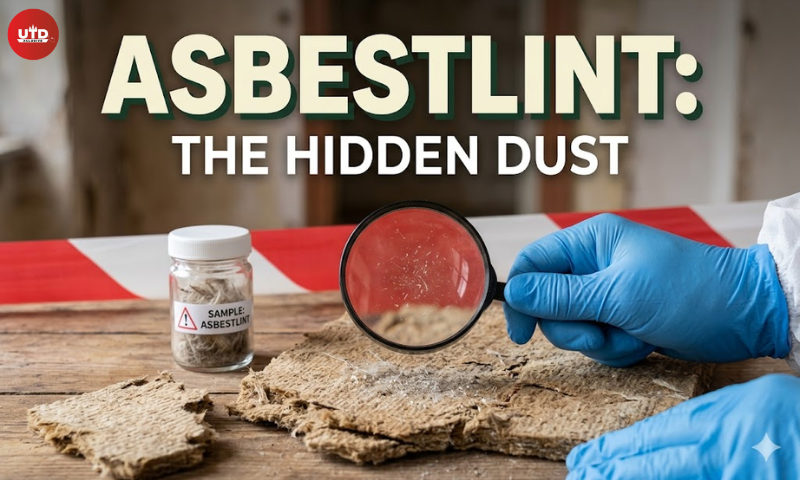
Asbestlint is a word that many people search online today because it is linked with old building materials and safety concerns. In simple terms, Asbestlint refers to tiny dust or fiber-like particles that may come from old construction materials used in houses, schools, and factories. These materials were used many years ago, and over time, they can break down and release Asbestlint into the air, which makes it important to understand.
You may find Asbestlint in older buildings where renovation or damage has happened. Many people do not notice it because it is very small and hard to see. Still, it can float in the air and spread easily. That is why learning about Asbestlint is important for families, workers, and even students who spend time in old buildings.
Even though Asbestlint is not something people talk about every day, it can become a serious issue if ignored. Awareness is the first step to safety, and when you understand what Asbestlint is, you can take simple steps to avoid contact and protect your health over time.
What is Asbestlint?
Asbestlint is a fine and very light dust that comes from old materials used in construction. These materials were popular in the past because they were strong and heat resistant, but when they get old or broken, they can release Asbestlint into the air. This makes it important to know where Asbestlint can appear and how it spreads.
Asbestlint is not like normal dust you see at home. It is much smaller and can stay in the air for a long time. Because of this, people may breathe it without even knowing. This is one of the main reasons why Asbestlint is considered dangerous in certain environments.
In simple words, Asbestlint is a hidden type of dust that comes from damaged building materials. Even though you cannot easily see it, it can still be present in old places, especially during repairs or demolition work where materials are broken.
Why Asbestlint Matters
Asbestlint matters because it can quietly affect health without showing quick signs. Many people do not realize they have been exposed until much later. When Asbestlint is in the air, people may breathe it in, and over time, it can stay inside the lungs, which is why safety awareness is very important.
Another reason Asbestlint matters is that it can spread easily in old buildings. Workers who repair walls, floors, or ceilings may disturb hidden materials and release Asbestlint into the environment. This can also affect people nearby, including children and families living in older homes.
Asbestlint also matters because it is often invisible. Since people cannot easily see it, they may think the air is clean when it is not. This makes it more important to understand risks and take proper precautions whenever dealing with old structures or renovation projects.
Common Sources of Asbestlint
Asbestlint usually comes from old construction materials that were widely used in the past. These materials slowly break down over time and release fine dust into the air. You may find Asbestlint in old roofs, walls, insulation boards, and pipe coverings that were installed many years ago.
Another common source of Asbestlint is renovation work. When people cut, drill, or break old building parts, tiny particles can spread in the air. This is why Asbestlint often becomes a concern during home repairs or demolition projects where old materials are disturbed without proper safety steps.
In some cases, Asbestlint can also come from damaged floors or ceiling tiles in older buildings. The more the material breaks, the higher the chance of releasing Asbestlint. So, any old or damaged structure should be treated with caution to avoid unnecessary exposure.
Health Risks of Asbestlint
Asbestlint can be harmful when people breathe it in over a long period of time. The tiny fibers can enter the lungs and stay there for years. At first, there may be no clear symptoms, which makes Asbestlint even more dangerous because people may not know they are affected.
Over time, long exposure to Asbestlint can lead to breathing problems. Some people may experience coughing, chest discomfort, or difficulty in breathing. These problems usually do not appear immediately but develop slowly after repeated exposure in unsafe environments.
In serious cases, Asbestlint exposure can lead to long-term lung damage. This is why experts always recommend avoiding areas where Asbestlint may be present and taking proper safety measures during any construction or repair work in old buildings.
How to Identify Asbestlint
Asbestlint is very hard to identify because it is extremely small and often invisible to the human eye. You usually cannot see it floating in the air, which makes it more dangerous. Most people only find out about Asbestlint after testing old materials in a lab.
However, there are some signs that may suggest Asbestlint could be present. For example, if a building is very old and has damaged insulation, cracked walls, or broken ceiling tiles, there is a higher chance that Asbestlint may exist in that area.
Because Asbestlint cannot be confirmed just by looking, experts often recommend professional testing. This is the safest way to know if Asbestlint is present before starting repairs or renovation work in older buildings.
Safety Tips to Avoid Asbestlint
The best way to stay safe from Asbestlint is to avoid disturbing old building materials. If you live in or visit an old house, do not try to break or remove walls, ceilings, or insulation without expert help. This reduces the risk of releasing Asbestlint into the air.
Another important safety tip is to wear protective gear if you must enter areas where Asbestlint may be present. Masks, gloves, and proper clothing can help reduce exposure. However, professional handling is always better than DIY work when Asbestlint is involved.
Also, always call trained experts for inspection and removal. They have the right tools and knowledge to manage Asbestlint safely. This is the safest choice for homes, schools, and workplaces where old materials may be present.
Why Awareness About Asbestlint is Important
Awareness about Asbestlint is important because many people still do not know about its risks. When people understand what Asbestlint is, they can make safer choices during construction or renovation work. This helps reduce long-term health problems.
Schools, workers, and homeowners should all learn about Asbestlint. Simple knowledge can prevent dangerous exposure. When people are aware, they are more likely to take precautions and avoid unsafe situations.
In the end, awareness is the strongest protection. Knowing about Asbestlint helps protect not just one person but entire families and communities living in older buildings.
FAQs
1. What is Asbestlint in simple words?
Asbestlint is a very fine dust that can come from old building materials when they break or get damaged.
2. Where can Asbestlint be found?
Asbestlint is mostly found in old houses, schools, factories, and buildings during repair work.
3. Is Asbestlint dangerous?
Yes, long exposure to Asbestlint can harm the lungs and cause breathing problems over time.
4. Can we see Asbestlint with our eyes?
No, Asbestlint is usually too small to see, which makes it more risky.
5. How can we stay safe from Asbestlint?
You should avoid disturbing old materials and call professionals for inspection and removal.
Conclusion
Asbestlint is a hidden risk in many old buildings, and most people do not notice it until they learn about it. It comes from damaged construction materials and can stay in the air without being seen. That is why understanding Asbestlint is very important for safety.
When people know about Asbestlint, they can avoid dangerous exposure. Simple steps like avoiding old damaged materials and calling experts can make a big difference. Awareness always helps reduce risk.
In the end, staying informed about Asbestlint is the best protection. It keeps families, workers, and communities safe from long-term health problems linked with old building dust.
