
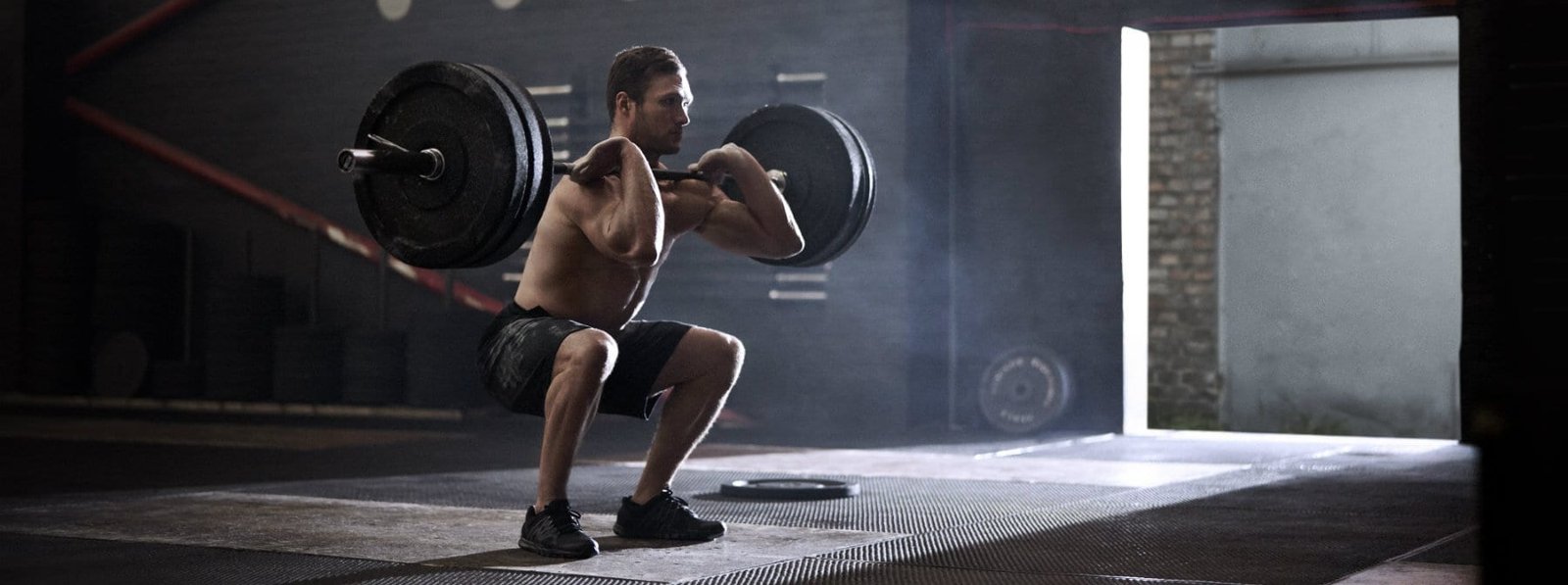
Understanding Functional Strength Training
What Functional Strength Training Entails
Functional strength training is all about getting stronger for the things you actually do in life. Think about it: lifting groceries, picking up kids, or even just getting out of a chair. These everyday actions require your muscles to work together in specific ways. Functional training focuses on exercises that mimic these real-world movements, building strength that directly translates to making your daily life easier and safer. It’s not just about looking good; it’s about moving better and feeling more capable in everything you do.
The Science Behind Building Strength
When you challenge your muscles with resistance, you create tiny tears in the muscle fibers. Don’t worry, this is a good thing! Your body then repairs these tears, making the muscles stronger and a bit bigger. This process, called hypertrophy, is the core of building strength. Over time, as you consistently challenge your muscles, they adapt and become more efficient. This also improves how your brain communicates with your muscles, leading to better coordination and balance. It’s a natural, biological response that makes you physically more robust.
Key Principles for Effective Training
To get the most out of your workouts, a few key ideas are important. First, focus on proper form. Lifting with bad technique can lead to injuries and won’t give you the best results. Second, embrace progressive overload. This means gradually increasing the challenge over time, whether by lifting heavier weights, doing more reps, or reducing rest periods. Your muscles need a reason to keep getting stronger. Finally, consistency is king. Showing up regularly, even for shorter sessions, is far more effective than sporadic, intense workouts. Building a routine makes progress sustainable.
Here’s a quick look at the core principles:
- Specificity: Train for the movements you want to improve.
- Progressive Overload: Gradually increase the demand on your muscles.
- Recovery: Allow your body adequate rest for muscle repair and growth.
- Consistency: Regular training yields the best long-term results.
The Far-Reaching Benefits of Strength Training
Enhancing Daily Life and Independence
Think about all the things you do without even thinking about it: picking up groceries, lifting a child, climbing stairs, or even just getting out of a chair. These everyday actions rely on your body’s strength. When you build muscle through strength training, you’re not just getting stronger for the gym; you’re making life’s tasks easier and safer. This is especially important as we get older. Maintaining muscle mass helps combat age-related decline, keeping you independent and active for longer. It means being able to keep up with grandkids, travel, or simply manage your own household without needing extra help.
Boosting Athletic Performance and Resilience
If you’re into sports or just enjoy being active, strength training can really make a difference. It’s not just about being able to lift more weight. Stronger muscles help you generate more power for running, jumping, or throwing. They also improve your stability and endurance, meaning you can perform at your best for longer without getting tired. Plus, a well-conditioned body is more resilient. This means you’re less likely to get sidelined by injuries, and if you do get hurt, your stronger muscles can often help with a quicker recovery.
Preventing Injuries and Aiding Recovery
This is a big one. Many common aches and pains, and even more serious injuries, happen because our bodies aren’t strong enough to handle the demands we place on them. Strength training helps by building up the muscles that support your joints. When these muscles are strong and balanced, they can absorb shock better and keep your joints in better alignment. This is like giving your body better protective gear. For those who have had injuries in the past, targeted strength work can be a key part of rehabilitation, helping to rebuild strength and prevent those old injuries from flaring up again.
Building strength isn’t just about looking good; it’s about building a body that can handle whatever life throws at it, both in the gym and out. It’s about feeling capable and confident in your own skin, day in and day out.
Strength Training for Total Well-Being
Building Total-Body Strength and Power
When you think about getting stronger, it’s not just about looking good. Building muscle through strength training, like in a dedicated weight lifting class, actually helps your body perform better in everyday tasks. Think about carrying groceries, lifting kids, or even just getting up from a chair. Stronger muscles make all of these movements feel easier and safer. It’s about building a body that can handle whatever life throws at it, giving you more energy and less fatigue throughout the day. This isn’t about becoming a bodybuilder overnight; it’s about developing practical, usable strength that supports your life.
Improving Bone Density and Joint Health
As we get older, our bones can become less dense, which can lead to problems like osteoporosis. Strength training is one of the best ways to combat this. When you lift weights, you put a healthy kind of stress on your bones, signaling them to become stronger and denser. It’s like telling your body, “Hey, I need you to be tough!” This also helps your joints. Stronger muscles around your joints provide better support and stability, which can reduce aches and pains and lower your risk of injury. It’s a proactive step towards staying mobile and independent for years to come.
Boosting Metabolism and Body Composition
Here’s a cool fact: muscle burns more calories than fat, even when you’re just sitting around. So, by building more muscle through strength training, you’re essentially turning your body into a more efficient calorie-burning machine. This means your metabolism gets a nice boost. Over time, this can help you manage your weight more effectively and improve your overall body composition – meaning you’ll likely have less body fat and more lean muscle. It’s a win-win for both how you feel and how you look.
A consistent strength training routine, especially one found in a well-structured weight lifting class, does more than just build muscle. It fundamentally changes how your body functions, making it more resilient, efficient, and capable for daily life and long-term health.
Mastering the Essentials of Effective Training
Getting stronger isn’t just about showing up; it’s about showing up with a plan and the right approach. You can lift weights for years and not see the progress you want if you’re not paying attention to the details. It’s like trying to build a house without a blueprint – you might get something up, but it probably won’t be very sturdy.
Prioritizing Proper Form and Technique
This is probably the most important thing to get right, especially when you’re starting out. Lifting with bad form is a fast track to getting hurt. It doesn’t matter if you’re lifting a feather or a dumbbell; if you’re doing it wrong, you’re putting unnecessary stress on your joints and muscles. Think about it: a squat done incorrectly can mess up your knees, and a deadlift done poorly can wreck your back. Focusing on how you move is more important than how much weight you move. Coaches will often have you start with just your body weight or very light weights to make sure you’ve got the movement down. It might feel slow at first, but it pays off big time in the long run.
Here’s a quick rundown of what good form generally looks like:
- Alignment: Your body should be in a straight line from head to toe, with your core engaged to support your spine.
- Control: Every part of the movement, both lifting and lowering, should be smooth and deliberate. No jerky motions!
- Stability: You should feel grounded and balanced throughout the exercise, with no wobbling.
Embracing Progressive Overload
So, you’ve got the form down. Now what? To keep getting stronger, you need to challenge your muscles more over time. This is called progressive overload. Your body is smart; it adapts. If you do the same workout with the same weight every single time, your muscles will eventually stop growing or getting stronger because they don’t need to. You have to give them a reason to change.
How can you do this?
- Increase the weight: This is the most obvious one. Once an exercise feels too easy, add a little more weight.
- Do more reps or sets: If you can’t increase the weight, try doing a few more repetitions of the exercise, or add an extra set.
- Decrease rest time: Shortening the time you rest between sets can make the workout more challenging.
- Improve your technique: Sometimes, just performing the same weight with better control and a fuller range of motion counts as progression.
It’s a gradual process. You don’t need to make huge jumps. Small, consistent increases are the key to building lasting strength.
Making Strength Training a Consistent Routine
This might sound obvious, but you won’t get stronger if you only go to the gym once in a while. Consistency is king. Even if you can only commit to two or three sessions a week, sticking to that schedule is way more effective than doing a marathon workout one week and then nothing for two weeks.
Building a habit takes time and effort. Don’t get discouraged if you miss a workout. Just get back on track with the next one. The goal is progress, not perfection. Think of it like brushing your teeth – you do it every day because it’s good for you, even if you don’t always feel like it. Your body needs that regular stimulus to adapt and grow stronger.
Try to schedule your workouts like any other important appointment. Find a time that works for you and stick to it as much as possible. Whether it’s first thing in the morning or after work, making it a non-negotiable part of your week will make a huge difference.
Fueling Your Functional Strength Journey
Getting stronger isn’t just about what you do in the gym; it’s also about what you do outside of it. Think of your body like a high-performance car. You can have the best engine (your muscles), but without the right fuel and maintenance, it’s not going to run its best. This is where nutrition, hydration, and rest come into play, especially when you’re pushing yourself in weight lifting classes at places like Evolve Kickbox & Fitness.
Nutrition for Muscle Repair and Growth
After a tough workout, your muscles have tiny tears. That’s normal! Your body needs the right building blocks to repair these tears and make your muscles stronger. Protein is the star player here. It’s what your muscles use to rebuild and grow. Aiming for a good protein source with each meal helps keep this process going. Think lean meats, fish, eggs, dairy, or plant-based options like beans and tofu. Carbohydrates are also important; they replenish the energy stores (glycogen) your muscles used during your session, helping you feel ready for your next workout. Healthy fats are needed too, for hormone balance and overall health.
Here’s a simple breakdown:
- Protein: Essential for muscle repair and building. Aim for about 0.7-1 gram per pound of body weight daily.
- Carbohydrates: Provide energy for workouts and recovery. Focus on complex carbs like whole grains, fruits, and vegetables.
- Healthy Fats: Support hormone production and nutrient absorption. Include sources like avocados, nuts, seeds, and olive oil.
The Importance of Hydration and Rest
Water is seriously underrated when it comes to fitness. It helps transport nutrients to your muscles, keeps your joints lubricated, and regulates your body temperature. Dehydration can make you feel tired, weak, and less focused, which definitely doesn’t help your training. So, keep that water bottle handy throughout the day, not just during your workout. Rest is just as vital. While you’re resting, your body is busy repairing muscle tissue and getting stronger. Skimping on sleep or not taking rest days can lead to burnout and increase your risk of injury. Listen to your body; it’s telling you when it needs to recover.
Debunking Myths About Building Muscle
One of the biggest worries people have, especially when they’re new to lifting, is accidentally getting too bulky. This is a pretty common myth. For most people, especially women, building large amounts of muscle mass takes a very specific and intense training regimen combined with a carefully planned diet over a long period. The kind of strength training you’ll do in classes at Evolve Kickbox & Fitness is focused on building functional strength, lean muscle, and improving overall health, not on creating a bodybuilder physique. You’ll likely feel stronger and more toned, which is a fantastic outcome!
Finding the Right Support for Your Training
Overcoming Gym Intimidation
Walking into a new gym can feel like stepping onto a different planet sometimes, right? You see people lifting heavy things, moving with purpose, and you might just want to turn around and go home. It’s totally normal to feel a bit out of place when you’re starting out. The good news is, most people are too focused on their own workouts to pay much attention to anyone else. Plus, places that focus on functional strength training often have a really welcoming vibe. They’re usually less about showing off and more about helping everyone get stronger together. Remember, everyone started somewhere, and that includes the most experienced lifters you see.
The Value of Guided Lifting and Expert Coaching
Trying to figure out how to lift weights safely and effectively on your own can be tough. You might see a move on social media and try to copy it, but without someone watching, you could be doing it wrong. That’s where coaches come in. They’re trained to spot the little things in your form that make a big difference. They can show you how to adjust your stance, keep your back straight, or control the weight better. This not only helps you get more out of each exercise but also keeps you from getting hurt.
Here’s a quick look at what good coaching provides:
- Form Correction: A coach can see what you can’t and help you fix your technique on the spot.
- Personalized Plans: They’ll create workouts tailored to your specific goals and current fitness level.
- Progressive Guidance: They know when and how to increase the challenge so you keep getting stronger without overdoing it.
- Motivation and Accountability: Having someone in your corner can make a huge difference when you feel like skipping a session.
Building a Supportive Community
Working out is often more fun and effective when you’re part of a group. Think about it: when you see others pushing themselves, it can motivate you to do the same. In a good strength training class, you’ll find people who are all working towards similar goals. They cheer each other on, share tips, and celebrate wins, big or small. This kind of atmosphere makes it easier to stick with your training, even on days when you don’t feel like it. It’s like having a built-in support system that makes the whole journey feel less like a solo mission and more like a team effort.
Finding a place that feels right for you is half the battle. Look for a gym or class that emphasizes learning, safety, and a positive atmosphere. When you feel supported, you’re much more likely to show up, put in the work, and see the results you’re after.
Frequently Asked Questions
What exactly is functional strength training?
Functional strength training is all about building muscles that help you with everyday tasks. Think about lifting groceries, climbing stairs, or even playing with your kids. It focuses on movements that mimic real life, making you stronger and more capable for all the things you do outside the gym.
Do I need to have experience before joining a weight lifting class?
Not at all! Weight lifting classes are usually designed for everyone, from total beginners to experienced lifters. Good classes will offer guidance and modifications so you can learn safely and build your strength at your own pace.
Will lifting weights make me look too bulky?
This is a common worry, but for most people, especially women, lifting weights helps build lean muscle, not bulky muscles. Getting really big muscles takes years of very specific training and diet. Strength training will help you get stronger, toned, and more confident.
How often should I do strength training to see results?
Consistency is key! Aiming for 2 to 3 well-structured strength training sessions each week is a great starting point. This allows your muscles enough time to recover and grow stronger between workouts.
Why is proper form so important in strength training?
Focusing on proper form is super important because it helps prevent injuries. When you lift weights correctly, you make sure you’re working the right muscles safely and effectively. It’s better to lift a lighter weight with great form than a heavy weight with bad form.
Besides getting stronger, what are other benefits of strength training?
Strength training does a lot more than just build muscle! It helps make your bones stronger, can improve your mood and sleep, boosts your metabolism to help manage weight, and makes everyday activities feel much easier, helping you stay independent longer.
